
Why Is Metal Detection Important in Pharmaceutical Production?
Metal contamination is a critical quality concern in pharmaceutical manufacturing. During tablet pressing, capsule filling, material conveying, and other production processes, metal particles may enter products due to equipment wear, component damage, or raw material contamination.
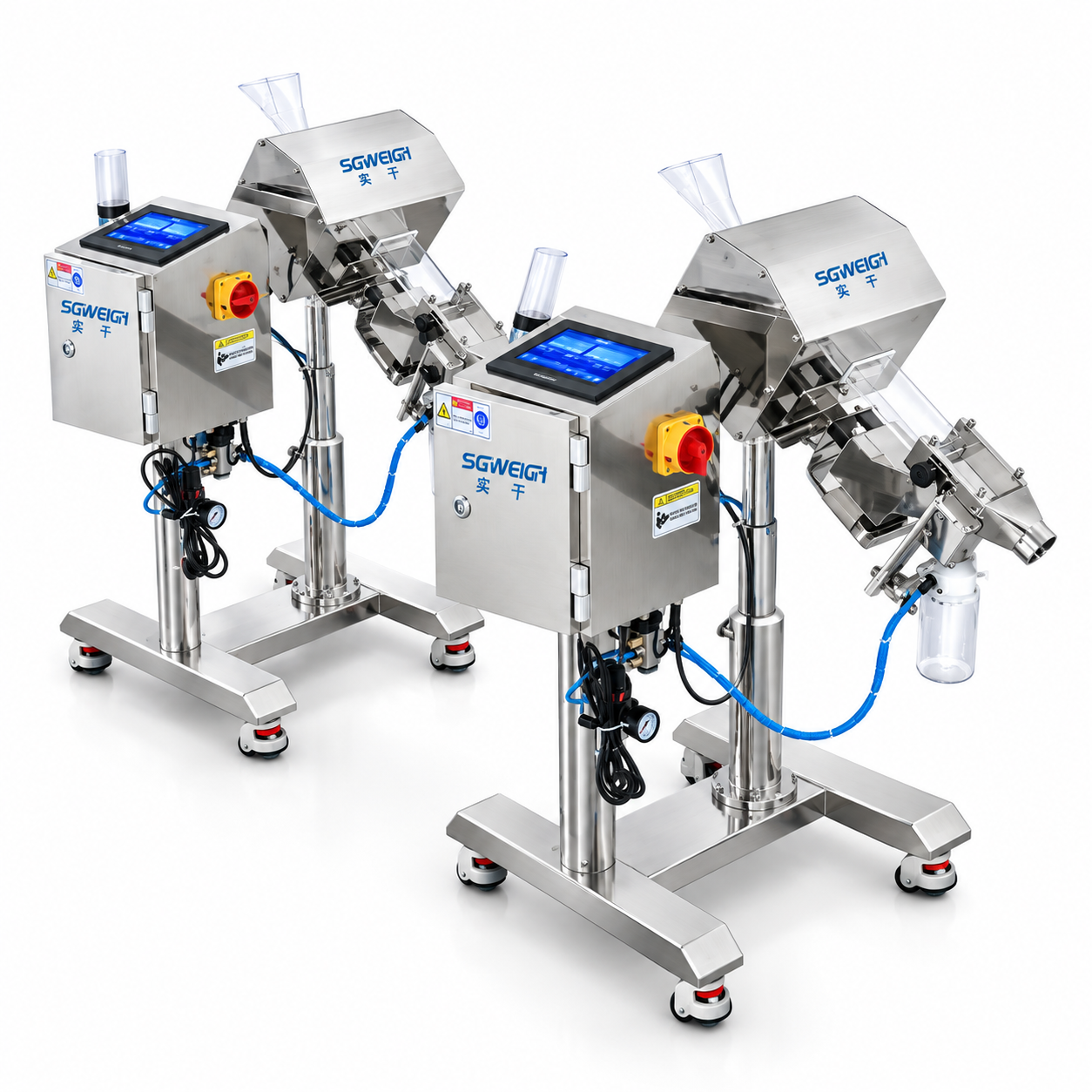
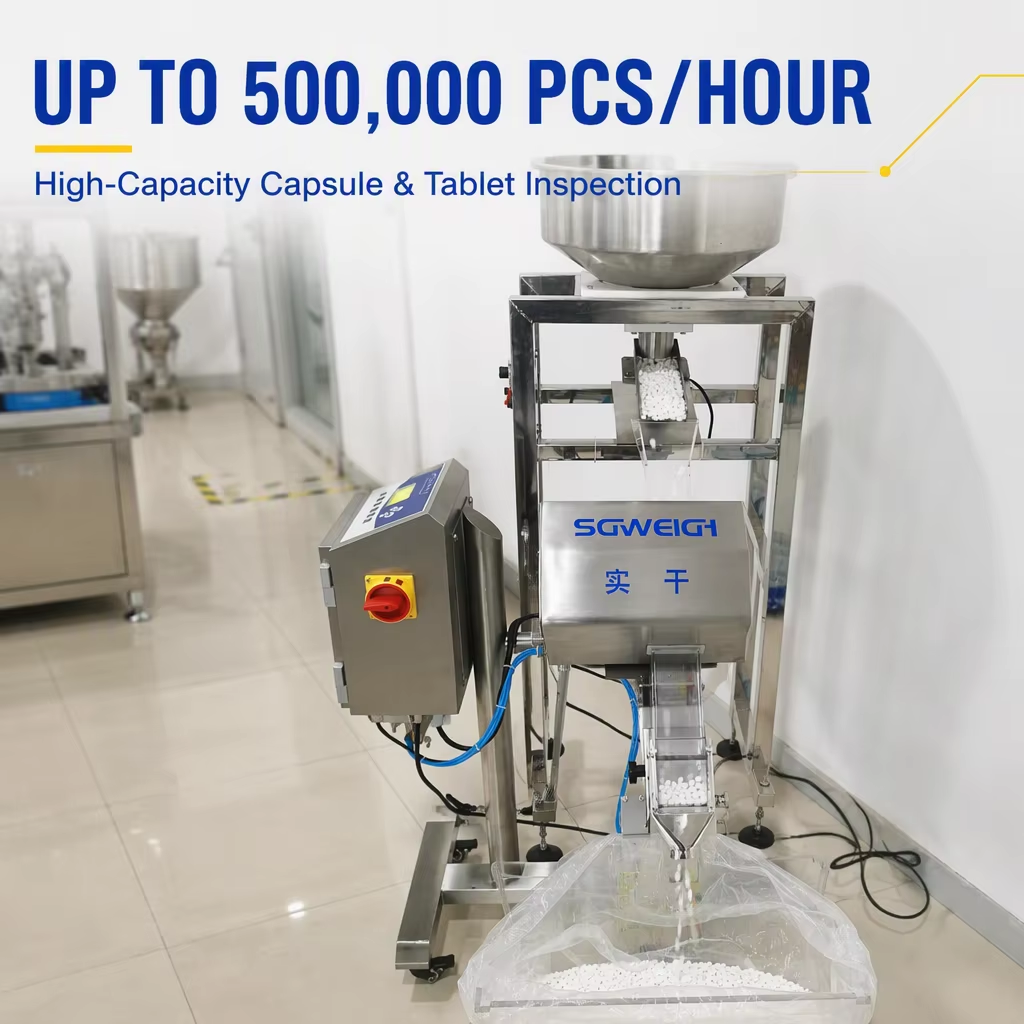
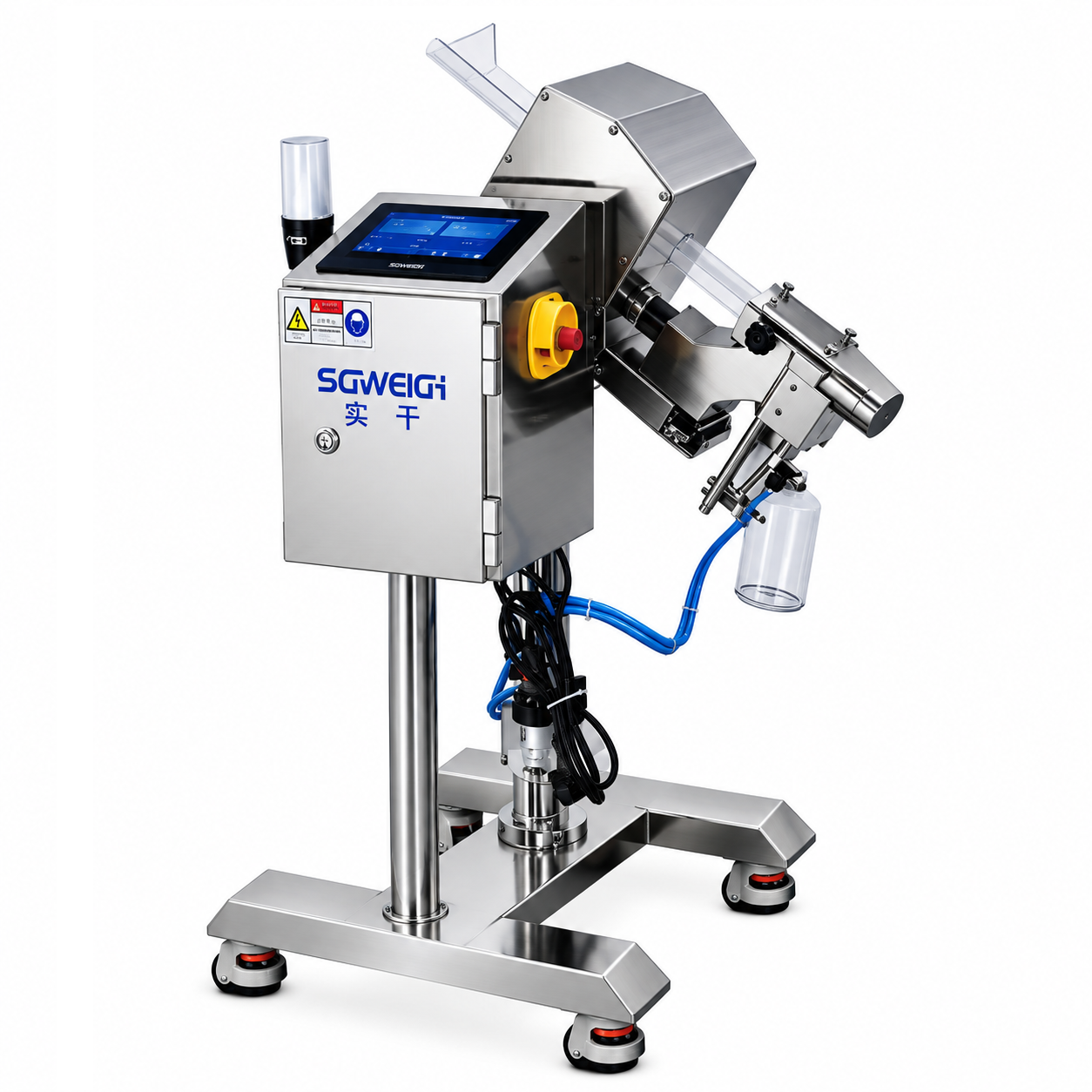
A Pharmaceutical Metal Detector for Capsules and Tablets helps manufacturers identify potential metal contaminants before products proceed to subsequent packaging or release stages. Integrated into a pharmaceutical production line, it provides an additional inspection step to support product quality control, contamination prevention, and manufacturing consistency.
How Does a Capsule and Tablet Metal Detector Work?
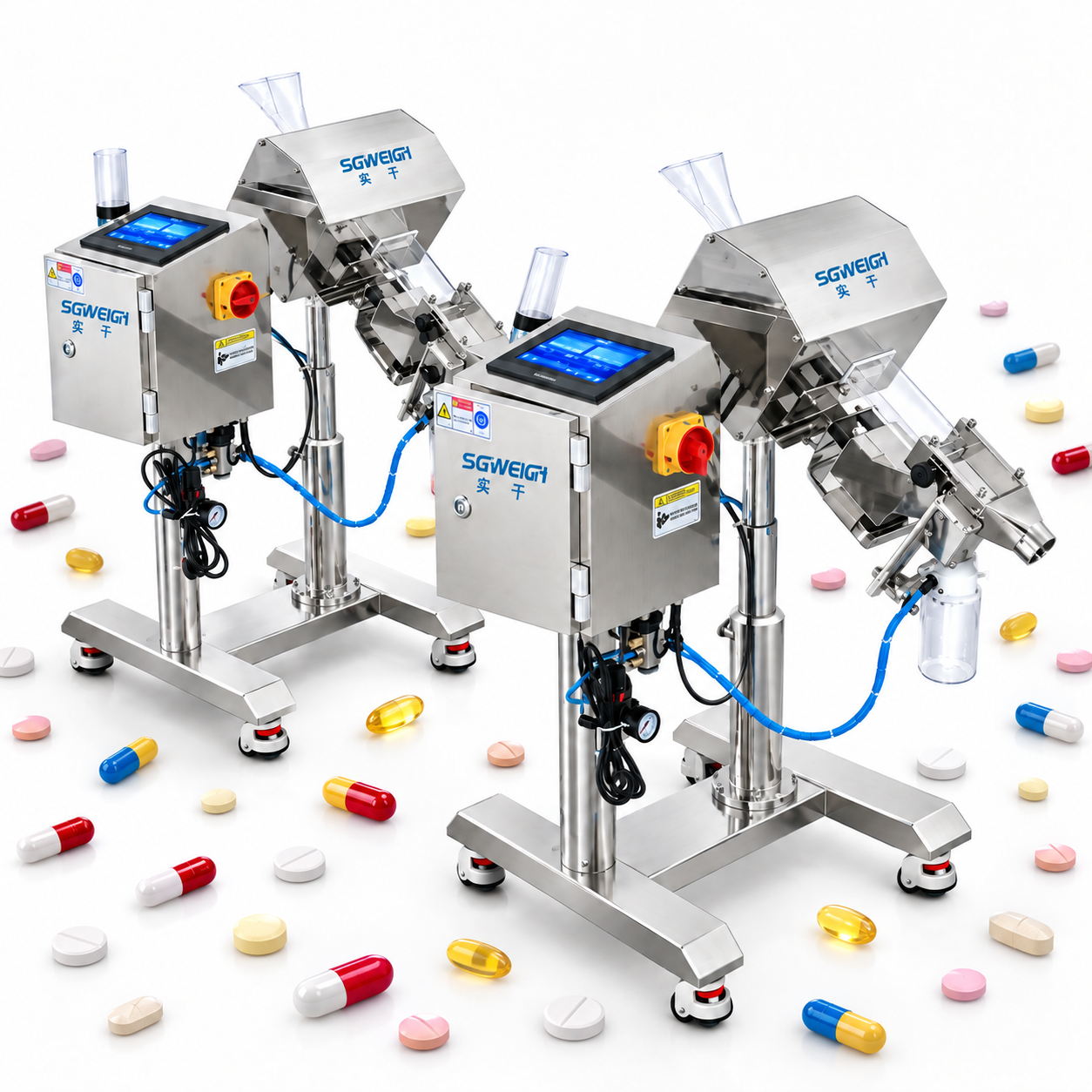
A pharmaceutical metal detection system uses an electromagnetic detection principle to identify metal contaminants passing through its detection area. When a detectable metal particle enters the sensing zone, the system analyzes the resulting signal and activates an alarm or configured rejection mechanism when the detection threshold is exceeded.
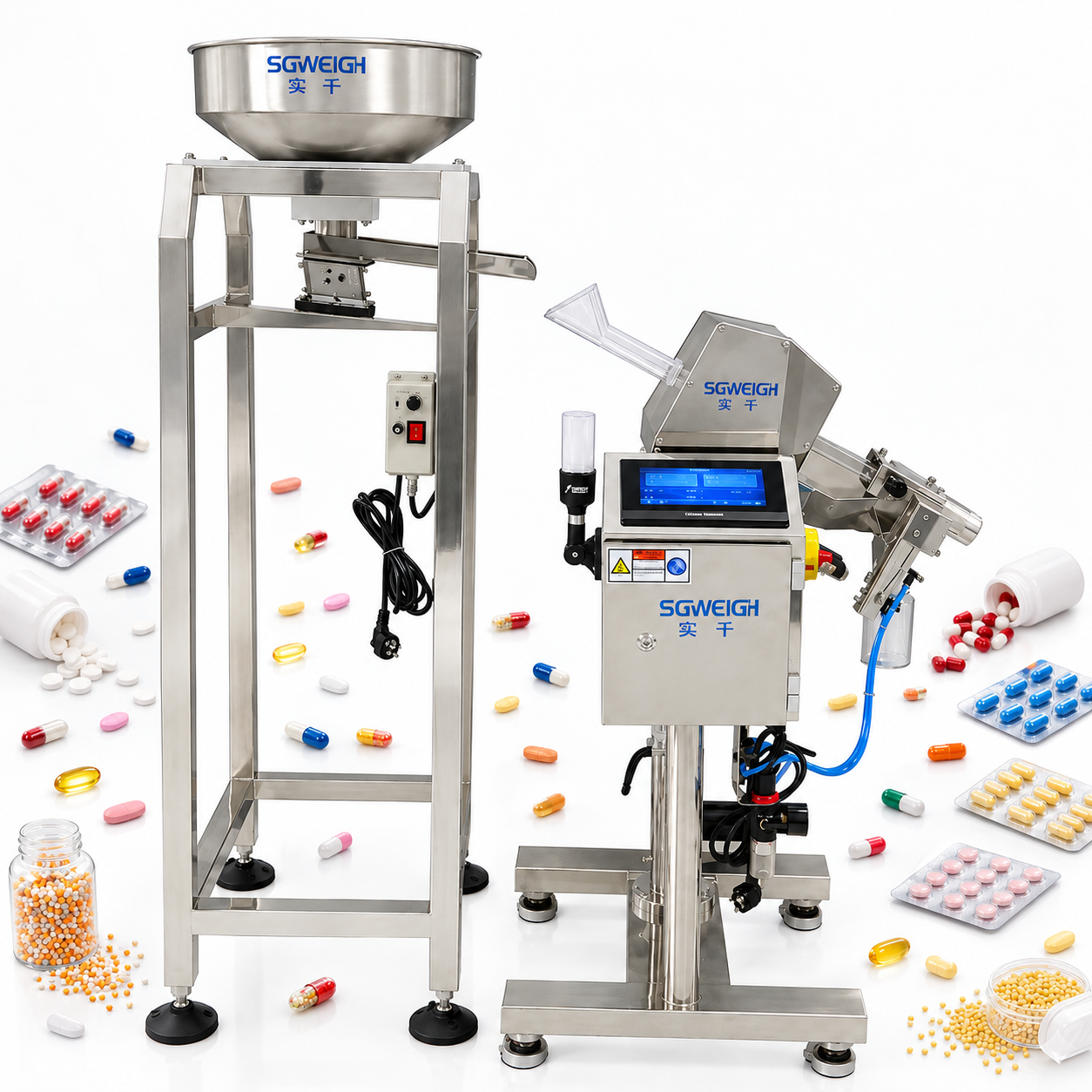
Depending on the product format and production requirements, the equipment can be configured for tablet inspection, capsule inspection, or integration with pharmaceutical conveying and feeding systems.
Detection performance depends on factors such as metal type, particle size, product characteristics, equipment configuration, and operating conditions. Therefore, testing with representative products and metal test samples is essential when selecting a suitable system.
Key Features of a Pharmaceutical Tablet and Capsule Metal Detector
1. Sensitive Metal Contaminant Detection
Designed to detect metal contaminants such as ferrous metals, non-ferrous metals, and stainless steel, subject to the selected system configuration and validated detection capability.
2. Integration with Pharmaceutical Production Lines
The system can be configured to connect with tablet presses, capsule filling machines, feeding equipment, or downstream inspection processes, depending on the production layout.
3. Automatic Alarm and Rejection
When a metal contamination signal exceeds the configured threshold, the system can trigger an alarm and, where equipped, activate an automatic rejection mechanism to separate affected products.
4. Compact Design for Tablet and Capsule Inspection
A dedicated pharmaceutical metal detector can be selected according to tablet and capsule dimensions, product flow, throughput requirements, and available installation space.
5. Support for Quality Control Procedures
Inspection records, test procedures, rejection verification, and routine performance checks can support a manufacturer’s documented quality management system. Actual data-recording and compliance functions depend on the equipment configuration.
How Can Manufacturers Choose the Right Pharmaceutical Metal Detector?
When selecting a metal detector for pharmaceutical tablets and capsules, manufacturers should evaluate:
- Product type: tablets, hard capsules, softgels, or other solid dosage forms.
- Product dimensions and feeding method.
- Required production speed and inspection capacity.
- Target metal contaminants and detection sensitivity.
- Automatic rejection requirements and reject confirmation.
- Cleaning, maintenance, and production-line integration needs.
- Validation procedures, documentation, and applicable quality requirements.
The final selection should be based on application testing rather than sensitivity specifications alone.
FAQs
Q1: Can a pharmaceutical metal detector inspect both tablets and capsules?
Yes. A suitable system may inspect both tablets and capsules, provided that the product dimensions, feeding arrangement, and operating parameters are compatible with the equipment.
Q2: Which metal contaminants can a tablet and capsule metal detector identify?
Depending on its design and validated performance, the system can detect ferrous metals, non-ferrous metals, and stainless steel. Actual detection capability varies with metal type, particle size, product characteristics, and operating conditions.
Q3: Can the metal detector automatically reject contaminated products?
Yes. Models equipped with a suitable rejection mechanism can automatically separate products that trigger a metal detection signal. Reject performance should be verified under actual production conditions.
Q4: Can the equipment be integrated into an existing pharmaceutical production line?
In many applications, yes. Integration depends on the existing line layout, product transfer method, available space, required throughput, and control-system interfaces.
Conclusion
A pharmaceutical metal detector for tablets and capsules provides an additional layer of contamination control in solid dosage manufacturing. By combining appropriate detection technology, reliable product handling, and verified rejection procedures, pharmaceutical manufacturers can strengthen in-process inspection and support consistent product quality.
Looking for a suitable capsule and tablet metal detector for pharmaceutical production? Contact our team with your product dimensions, target throughput, and installation requirements to discuss a suitable inspection solution.


TAGS
Pharmaceutical Tablet and Granule Metal Detector
Inline Bagged Products Metal Detector with Reject System
Bagged Products Inclined Conveyor Metal Detector
Checkweigher and Metal Detector Combination Machine
Pipeline Metal Detector with Automatic Rejector